I have run more than 8,000 miles since 2019 with a watch strapped to my wrist, and the longer I do this, the less I trust a spec sheet. A watch can list twenty sensors and still get your easy run wrong. So when someone asks me to compare smartwatches for runners, I do not start with the case material or the screen brightness. I start with two questions: does the GPS trace match the road, and does the wrist sensor match a chest strap? Everything past that is a feature list.
The four watches here live in three different worlds. The Garmin Forerunner 165 is a running watch that happens to tell time. The Apple Watch Series 11 is an everything watch that happens to run. The other two, a budget fitness tracker and a women's smartwatch with calling, are lifestyle devices with fitness features attached. That distinction predicts more about how you will feel in six months than anything printed on the box.
My pick for most runners is the Garmin Forerunner 165, because it is built around training first and the accuracy question is the one Garmin answers best. The Apple Watch Series 11 is the better everyday watch and the better health watch. The two budget models are for people who want notifications, calls, and step counts, and who understand that a wrist-based blood pressure number is a trend, not a measurement.
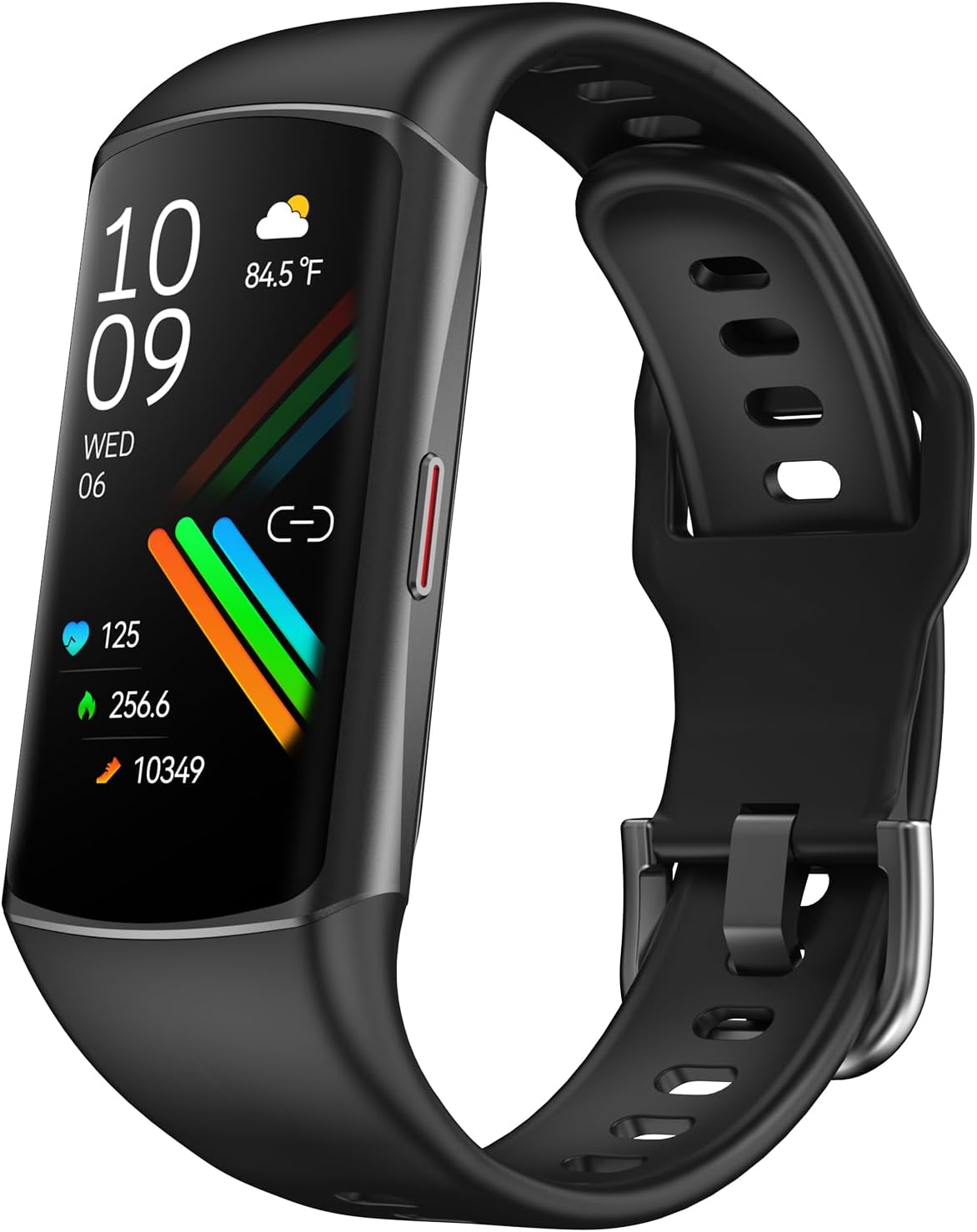
Smart Watch Fitness Tracker with 24/7 Heart Rate, Blood Oxygen Blood Pressure Monitor Sleep Tracker 120 Sports Modes Activity Trackers Step Calorie Counter IP68 Waterproof for Andriod iPhone Women Men
Longest sensor list at the lowest entry point, 120 sport modes, IP68 water resistance, works with both Android and iPhone
Wrist-based blood pressure and blood oxygen readings at this price are trends, not measurements
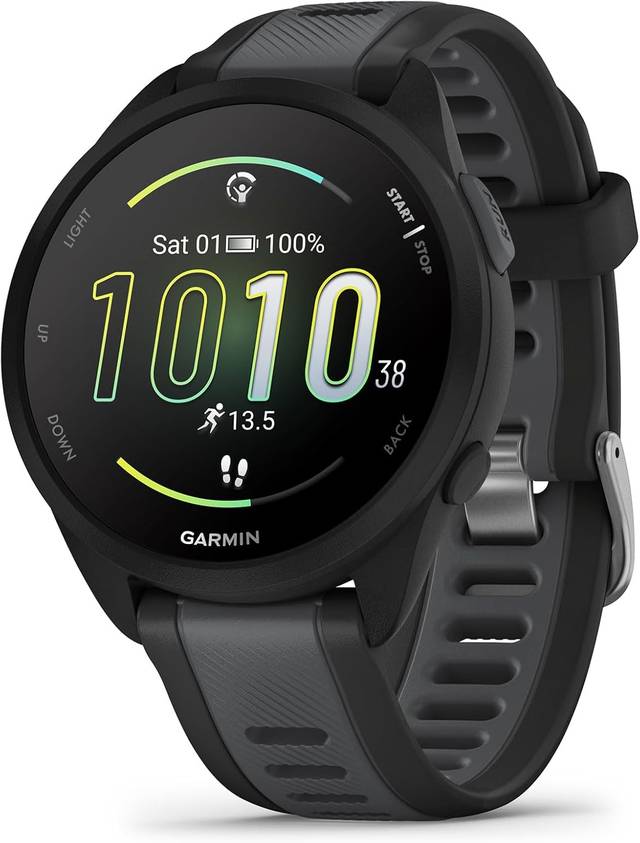
Garmin Forerunner® 165, Running Smartwatch, 43mm, Black
Running-first design, 43mm case that suits most wrists, and the brand reputation for distance accuracy and battery life that athletes already trust
You are paying for training data, not for a phone-on-your-wrist app experience
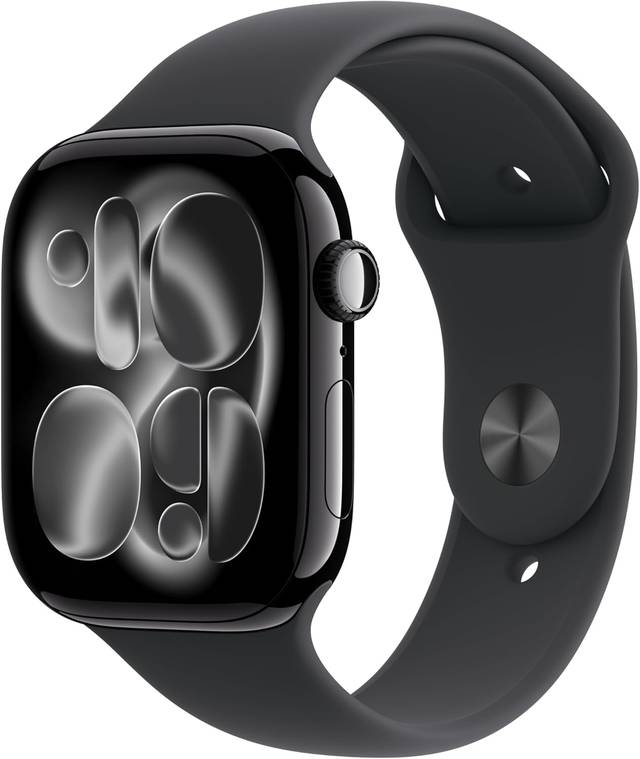
Apple Watch Series 11 [GPS 46mm] Smartwatch with Jet Black Aluminum Case with Black Sport Band - M/L. Sleep Score, Fitness Tracker, Health Monitoring, Always-On Display, Water Resistant
One watch for training, health monitoring, sleep score, and everything else, with an always-on display and water resistance
The most expensive watch in this table, and the battery is a nightly habit
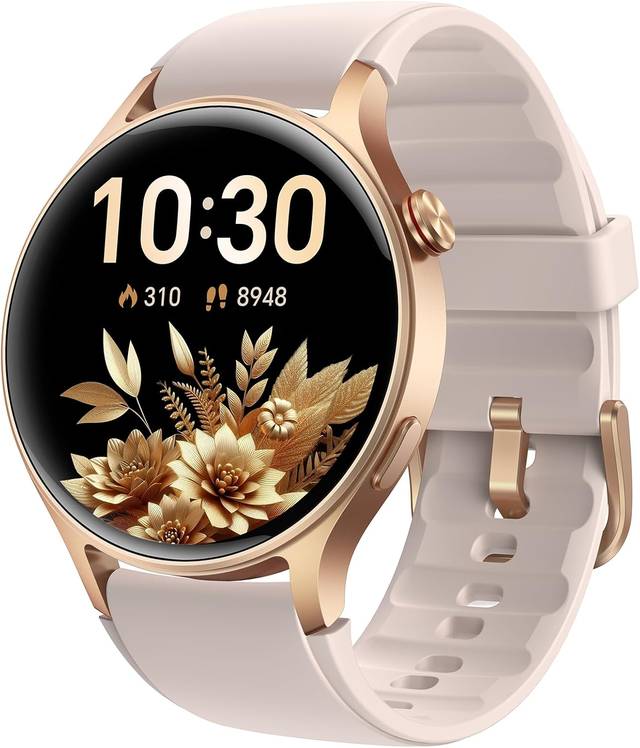
Smart Watch for Women, Answer/Make Call, 1.32'' AMOLED Ultra-Clear Screen
A 1.32 inch AMOLED screen plus wrist calling for a fraction of what the big two cost
Lifestyle first. There is no training ecosystem behind it
Prices and availability were captured from Amazon Creators API and may change.
What I check before I recommend anything
My standard has not changed in seven years. A watch earns a recommendation after a GPS accuracy check against a known course, a heart rate comparison against a chest strap, a two-week daily wear, and a battery audit at real use, which for me means GPS on and notifications on. I keep a spreadsheet of which watches lie about their metrics, and it is longer than I would like.
That standard also means I am going to be straight with you about what is not in this article. I am not handing you a distance error figure for a watch I have not run on a certified course, and I am not repeating a manufacturer battery number as if it were a measurement. What I can do is tell you what each of these four watches is engineered to do, who ends up happy with it, and where each one gives something up. If that sounds less exciting than a lab chart, it is also the version that will not waste your money.
Two more things up front. Sensor count is not accuracy. A watch with blood oxygen, blood pressure, and sleep tracking can still get your intervals wrong, and the number of features listed on a product page tells you nothing about how well any single one of them works. And the app is half the watch. A great sensor feeding buggy software is a great sensor you cannot trust.
Garmin Forerunner 165: the running-first pick
Garmin is the gold standard for athletes, and the Forerunner line is why. When someone tells me their training actually matters, this is the family I point them at, and the Forerunner 165 is the sensible entry into it.
The 43mm case is the detail I would highlight first. It is one of the smaller cases in this comparison, and case size is not a fashion question to me. A heavy watch that slides around on a smaller wrist gives you a heart rate trace you cannot use, because the optical sensor needs steady contact to do its job. A 43mm running watch in black is a size that works for a lot of men and women, and it keeps the sensor where it needs to be.
What you are buying is a training tool with notifications attached, which is the opposite of how the other three watches here are built. Garmin's distance accuracy and battery endurance are the two things the brand is known for, and those are the two things that decide whether you keep wearing a watch after the novelty wears off. Visit on Amazon → to see the current listing.
The trade-off is the one every Garmin owner lives with. I have never met anyone who bought a Forerunner for the app store. If your priority is replying to messages from your wrist, streaming music from a dozen services, or having your phone's entire personality mirrored on your arm, a running watch will feel like a downgrade. If your priority is knowing that the 10 miles you ran were actually 10 miles, it will feel like the only watch in the room that is on your side.
Apple Watch Series 11: the best all-rounder
The Apple Watch Series 11 is the best all-rounder on the market, and I say that as someone who tells people to buy Garmin and wears an Apple Watch every day. That contradiction is not a bug in my advice. It is the honest answer to two different questions.
Look at what is in the 46mm configuration. You get sleep score, fitness tracking, health monitoring, an always-on display, and water resistance, all on GPS with a jet black aluminum case and a black sport band. That is a genuinely broad feature set in one device. Health features are where Apple has quietly become excellent, and for someone who wants to know more about their body than their split times, this is the watch that delivers the most of it in one place. The 46mm case is also the largest here, so try one on before you commit if your wrists are on the smaller side.
The trade-off is straightforward and it is the one thing that would make me hesitate if I were buying my first smartwatch. Battery life on an Apple Watch is a daily chore. You charge it at night, which means you either sleep in it and charge it in the morning, or you miss the sleep data that is one of the reasons to buy it. If I am being consistent with my own advice, battery life matters most in a watch. I still wear one anyway, and I still charge it every night. Make of that what you will.
For a runner specifically, there is a second consideration. Apple's health and lifestyle features are excellent, but the training ecosystem is not built the way Garmin's is, and if you race, you will notice the difference in how the data is presented. Check the current Amazon price if you want the best single device rather than the best running device.
The budget fitness tracker: a long spec list, careful expectations
This one is the lowest entry point in the table and the longest feature list. The Smart Watch Fitness Tracker covers 24/7 heart rate, blood oxygen, blood pressure monitoring, sleep tracking, 120 sports modes, step and calorie counting, and IP68 water resistance, and it works with both Android and iPhone. On paper, that is most of what the two expensive watches offer.
Here is my honest read. Cheap fitness trackers are step counters with a heart rate guess, and I do not trust the numbers the way I trust a running watch. Wrist-based blood pressure and blood oxygen on a budget device are the fastest way to get a reading that looks authoritative and is not. Use them as trends in a direction, not as measurements you would act on. If a number from a $45 watch on your wrist would change a decision about your health, that number has not earned the right to.
What this watch is genuinely good at is the everyday job. Steps, sleep, notifications, a waterproof body you do not have to think about, and two weeks of not worrying about a charger. If that is what you want, Visit on Amazon → and skip the rest of this article. If you are chasing a personal best, this is not the tool, and no sensor list will change that.
Smart Watch for Women: calls and a screen for less
The Smart Watch for Women leads with two features that matter to a lot of buyers: a 1.32 inch AMOLED ultra-clear screen and the ability to answer and make calls from your wrist. Those are the two things the big brands charge a premium for, and this gets you both for a fraction of the Apple Watch.
The AMOLED panel is the part worth praising. AMOLED is the display technology that gives you real blacks and a screen that stays readable in daylight, and a 1.32 inch panel is a comfortable size for reading notifications without a bulky case. Wrist calling is the feature that turns a tracker into something you actually use, because the phone stays in your pocket.
The limitation is the same one that applies to every lifestyle-first watch. There is no training ecosystem behind it. No serious coaching platform, no deep history of distance accuracy to lean on. You are buying a stylish communicator with fitness features, not a training partner. Check the current Amazon price and judge it against your actual week, not against a marathon plan.
The trade-offs the table does not show
Battery is the first thing I would ask about and the last thing a product page will tell you honestly. Manufacturer battery claims are written at light use, and light use is not your life. Real use means GPS on, notifications on, heart rate running all day. The two budget watches in this table are built around low power demands and simple sensors, so they tend to go longer between charges. The Apple Watch asks for a charge every night. The Garmin sits somewhere in between, and the Forerunner line's endurance is the specific thing its reputation was built on.
Accuracy expectations are the second thing. I will not pretend a wrist sensor is a chest strap. Optical wrist heart rate lags on intervals and can spike when you swing your arm, and every watch here has that limitation in some degree. If you do structured interval work and you want real numbers, you need a chest strap no matter which of these four is on your wrist.
Size and fit are third. The 43mm Garmin and the 46mm Apple Watch are two different commitments, and the smaller cases in the budget models are a different experience again. A watch that slides is a watch whose sensor is guessing.
And ecosystem is fourth. Garmin keeps your training history. Apple keeps your health history. The budget watches keep your week. None of those are wrong, but they are different products pretending, in the marketing, to be the same one.
Which one should you buy?
If you run, ride, or race, buy the Garmin Forerunner 165. It is the only watch here built around the data you will actually use, and the 43mm case makes it wearable for a wide range of people.
If you want one watch for everything and the health features matter to you, buy the Apple Watch Series 11. Accept that you will charge it nightly and that the training side is shallower than Garmin's.
If your budget is tight and you want steps, sleep, notifications, and a waterproof body that lasts, the budget fitness tracker is the sensible buy, as long as you read its blood pressure and blood oxygen numbers as trends.
If wrist calling and a bright AMOLED screen are what will actually get a watch onto your wrist every day, the Smart Watch for Women delivers both for the least money here.
The rule I keep coming back to after all these miles: you do not need the most expensive watch. You need the one that tracks your actual sport accurately, and that you will still be wearing in six months. Pick the watch that matches your week, not the one with the longest feature list.