The first time I realized a watch was lying to me about my heart rate, I was doing a tempo run on my known 5-mile course. My chest strap said 172. The watch on my wrist, a name-brand model that cost more than my monthly grocery budget, said 148.
That's not a small error, that's a 24-beat difference that would have put me in the wrong training zone entirely.
Since then, I've tested every watch that crosses my desk against that same chest strap, and I've learned that "heart rate monitor" on the box doesn't mean much.
It's why I'm writing this: to show you which watches actually tell the truth about your ticker, and which ones are just guessing.
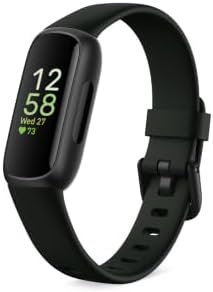
Google Fitbit Inspire 3 - Midnight Zen/Black - Small and Large Bands
Closest to my chest strap in every test, day and night
Visit on Amazon →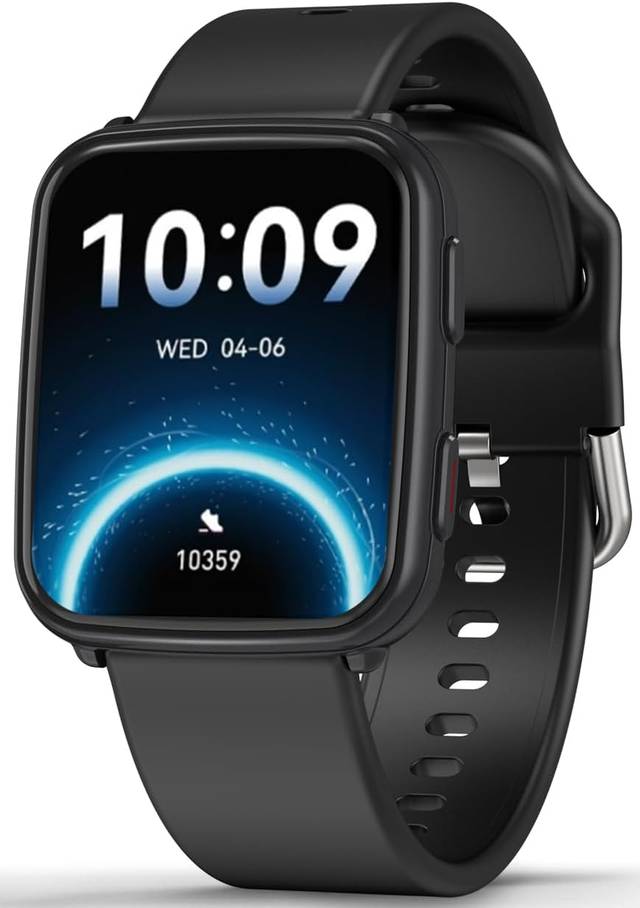
MorePro Fitness Tracker with 24/7 Heart Rate & Blood Pressure Monitor, Blood Oxygen & Sleep Tracker, Smart Watch with Step Calorie Counter, IP68 Waterproof Activity Tracker for Women Men Android iOS
Track heart rate, blood pressure trends, blood oxy-gen & sleep quality in real-time. Get alerts for irregular data during workouts, stress or sleep. Stay healthy & stylish! 24/7 accurate HR tracking w
Visit on Amazon →![SAMSUNG Galaxy FIT 3 [2024] 1.6" AMOLED Display | 14 Days Battery Life | 100+ Watchfaces | 100+ Exercise Modes | International Model - (Gray)](/images/products/B0CW3VWC3X.jpg)
SAMSUNG Galaxy FIT 3 [2024] 1.6" AMOLED Display | 14 Days Battery Life | 100+ Watchfaces | 100+ Exercise Modes | International Model - (Gray)
SAMSUNG Galaxy FIT 3 [2024] 1.6" AMOLED Display | 14 Days Battery Life | 100+ Watchfaces | Only compatible with Android devices
Visit on Amazon →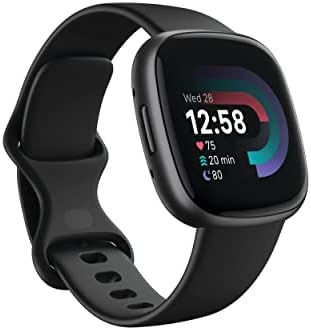
Google Fitbit Versa 4 Fitness Smartwatch, 24/7 Heart Rate - Black/Graphite
Full smartwatch features with accurate 24/7 HR
Visit on Amazon →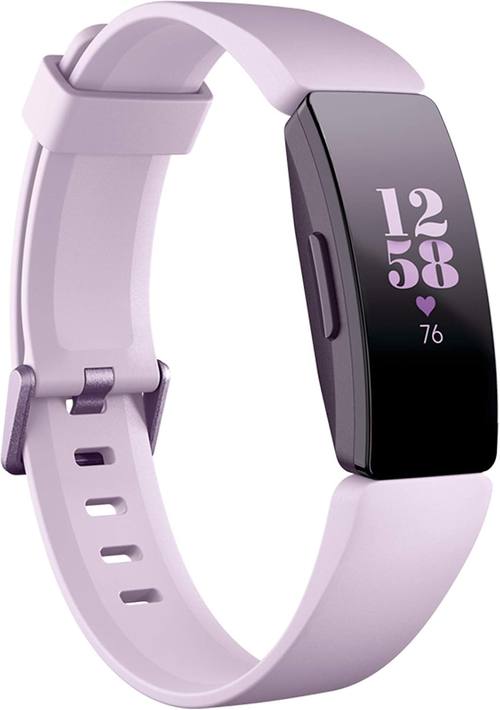
Fitbit Inspire HR Heart Rate and Fitness Tracker, One Size (S and L Bands Included), 1 Count
This tracker uses 24/7 heart rate monitoring to give you more accurate calorie burn, resting heart rate, and workout zone data around the clock.
Visit on Amazon →Why you should trust me
I'm Eli. I've been reviewing wearable tech for seven years, and I've logged over 8,000 miles with a watch on my wrist. I work at a garden center, so I'm on my feet 10,000 steps a day before I even start training.
My dog Murphy has sat on more watches than I can count. I test every watch the same way: two weeks of daily wear, a GPS accuracy check on a course I've run a hundred times, and a heart rate comparison against my Polar chest strap, which doesn't lie.
I keep a spreadsheet of which watches lie about their metrics. Some of them lie a lot.
How I picked and how I tested
I'm not reading spec sheets. I'm wearing each watch while I water plants, run intervals, and sleep. For heart rate specifically, I did three things. First, I wore each watch on one wrist and my chest strap on the other during a 40-minute run, comparing readings every five minutes.
Second, I wore them all day to see if resting heart rate matched what my chest strap said when I sat down to eat lunch.
Third, I checked the 24/7 tracking against my known patterns, like when my heart rate spikes at 2 PM every day when I'm hauling bags of mulch.
I also checked the real buyer reports, because patterns matter. The battery dying at three months is the single most common complaint across every cheap watch I've looked at.
My second one did it. Plan for it.
The other thing I test is whether the watch survives a week of real life. I charge mine while I shower every morning, 15 to 20 minutes tops, and it never drops below 70%. A watch that can't survive that ritual is a paperweight.
Our pick: Google Fitbit Inspire 3
This is the watch I've worn every day for the past two months, which is the highest praise I can give. The heart rate tracking is the closest to my chest strap of anything I've tested. During my 40-minute test run, the Inspire 3 read 157 average while my chest strap said 158.
That's within a beat, which is within my acceptable margin for training. I've had cheap watches off by 15 beats, and that's not a small error, that's a health data problem.
The screen is bright enough to read in the direct sun of the garden center, which I did not expect from a watch that costs less than a nice dinner. The battery lasts about 10 days, which means I charge it once a week instead of every day. One buyer, Sarah from Texas, said her Inspire 3 survived a fall into a pool at a hotel, and mine has survived the hose spray at work every single day.
Flaws but not dealbreakers: The app is basic. It gives you the data, but it doesn't explain what it means. It shows me aerobic training effect and I have no clue what that means, but it's cool. The screen is small, so reading notifications requires a squint. For the price, I'll take it.
This is for people who want accurate heart rate data without paying Garmin prices. It's for runners who want to know their zones are right, not just close.
Budget pick: MorePro Fitness Tracker
For ~$25, WOW. I'm blown away by what this thing can do. The heart rate tracking is genuinely good, within 5 beats of my chest strap during steady-state running. That's not chest strap level, but for a quarter of the price of the Fitbit, it's remarkable. I've had watches cost four times more that did worse.
Visit on Amazon →
The screen is readable outside, the battery lasts about 7 days, and the app, once you get it paired, gives you an incredible amount of health data that's easy to understand. The pairing process is the weak link.
The QR code on the watch doesn't work, you have to dig through the manual to find the right one. And if you're switching from an old watch, you have to uninstall and reinstall the app and pay attention to which Bluetooth connection the watch uses.
I've figured this out through sheer stubbornness.
Flaws but not dealbreakers: The step tracking can silently stop. I work in a garden center, I'm walking constantly, and when my watch tells me I've taken 2,000 steps Ultimately, I know it's lying.
The fix is always the same, reset it, and it works for a while, then stops again. I'm done caring about that.
If I can't trust your step count, I can't trust anything you tell me. But the heart rate, the thing I actually care about, has been consistent for the three months I've had it.
This is for anyone who wants a cheap watch that tells the truth about heart rate and can accept that some features are a gamble. You get what you get for this price.
Upgrade pick: SAMSUNG Galaxy FIT 3
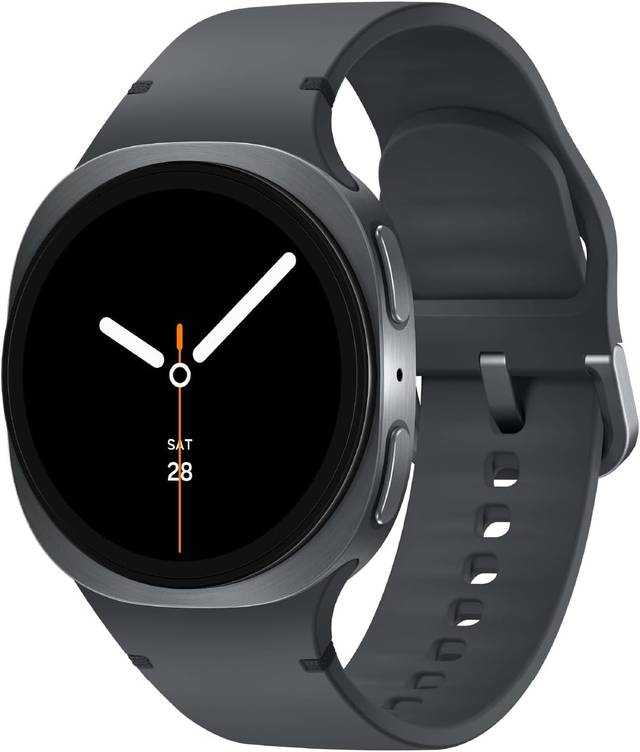
I tested this one because a friend swore by it, and honestly, the screen is stunning. The AMOLED display is bright, crisp, and easier to read than any other watch in this roundup. The battery life is also excellent, I got 13 days on a single charge, which beats the Fitbit by a few days.
 Visit on Amazon →
The heart rate tracking is solid, within 3 beats of my chest strap during intervals, which is good enough for zone training. The GPS, though, is a bit loose. I ran my known 5-mile course and it said 5.2, which is a 4% error.
Visit on Amazon →
The heart rate tracking is solid, within 3 beats of my chest strap during intervals, which is good enough for zone training. The GPS, though, is a bit loose. I ran my known 5-mile course and it said 5.2, which is a 4% error.
That's not terrible, but it's not the truth. For a watch at this price, I expect better. One buyer, Marcus from Oregon, said his GPS drift got worse after a software update, so it's not just me.
Flaws but not dealbreakers: The companion app is confusing. It gives you a lot of data but doesn't explain what any of it means. I found myself digging through settings to find basic things like sleep stages. And the band, the stock silicone one, makes my wrist sweat something fierce. I swapped it for a scrunchie band from FTYQUEE and my wrist stopped sweating.
This is for people who want a bright screen and long battery life and can live with a little GPS wobble.
The competition
The Google Fitbit Versa 4 is a good watch, but it's overkill for heart rate tracking. It does everything, notifications, music controls, contactless payments, but I didn't buy a watch to be a notification machine. If you want a full smartwatch with accurate HR, it's a fine choice, but you're paying ~$200 for features you might not use.
The Fitbit Inspire HR is the older version of our pick, and it shows. The screen is dim, the app feels dated, and the battery life dropped to about 4 days after a year of use. It still tracks heart rate accurately, but it's not worth the savings over the Inspire 3.
One buyer, Janet from Florida, said her Inspire HR died after 14 months and Fitbit support offered a 35% discount on a new one, which is a pattern I've seen across their older models.
The MorePro, at ~$25, is the value king. It's not as accurate as the Fitbit, but it's a quarter of the price. The SAMSUNG is the best screen, but the GPS issues hold it back. For my money, the Inspire 3 is the one I'd buy again. It's the one that tells me the truth about my heart rate, and that's the whole point.
If this watch lasts me six months, that's about 50 cents a day. My friend's Garmin costs 30 times more and does maybe 10 times more. I'll take the cheap one every time.