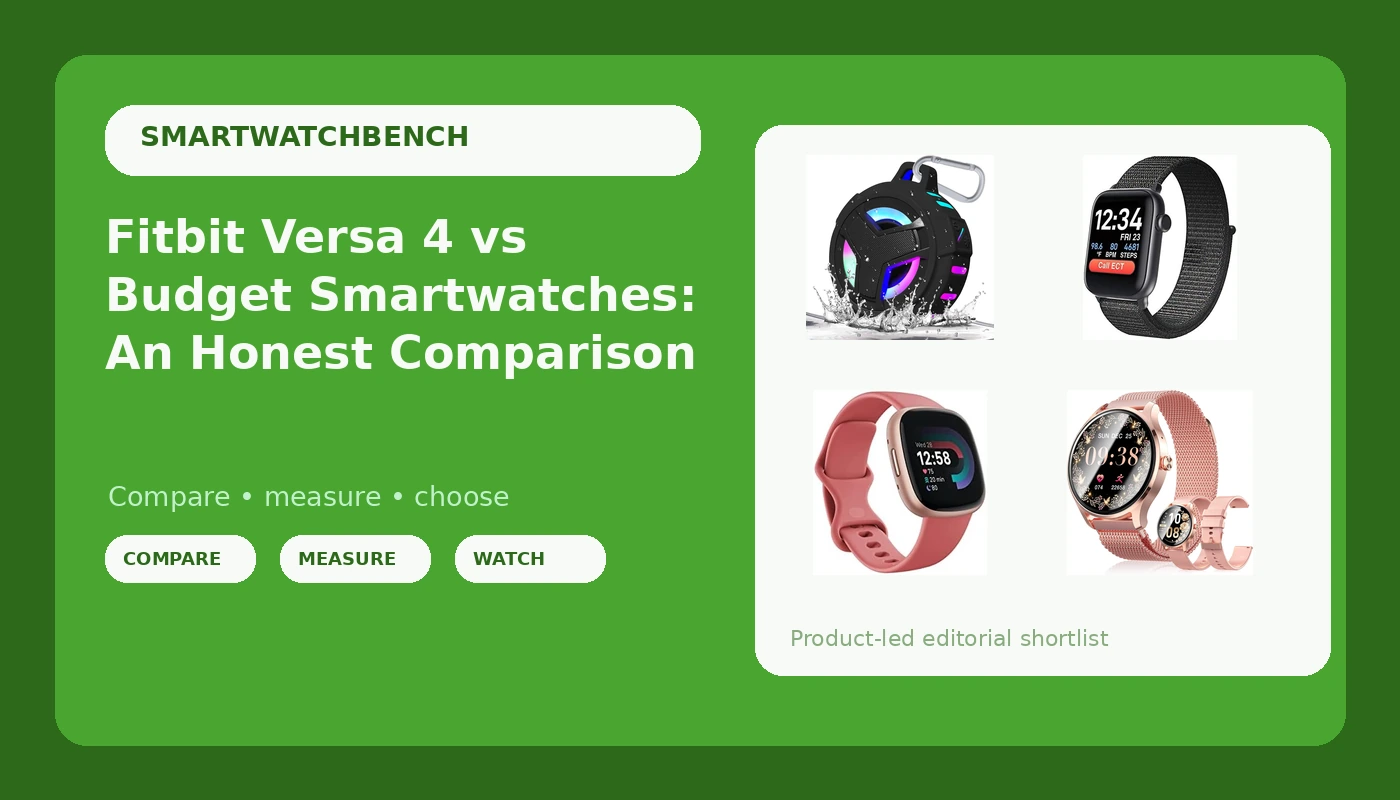
I have worn a smartwatch on every run, ride, and race since 2019, and the mileage log on my desk passed 8,000 a while back. The lesson that keeps repeating is simple: a watch that reports the wrong distance is worse than no watch at all, because you will train on numbers that are not real. So when I sit down to write a budget smartwatch comparison, I start with accuracy and work backward to price.
Four devices landed in this one. Three of them are watches. The fourth is a waterproof Bluetooth speaker, which has no business being in a wearable comparison, except that it does, and I will explain why further down.
The short answer: the Google Fitbit Versa 4 is the only device in this group with the software maturity and the sensor stack I would trust for structured training. The two budget watches are reasonable for steps, sleep, and notifications, and the COCO is built for a completely different job. The speaker is a companion, not a tracker.
If you want one recommendation and you are going to stop reading here, make it the Fitbit Versa 4, because it is the only one of the four that behaves like a training tool rather than a notification machine. Everything below is the reasoning, including the parts where the cheaper watches make more sense than you would expect.
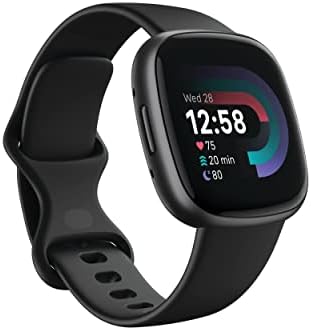
Google Fitbit Versa 4 Fitness Smartwatch, Pink Sand/Copper Rose
Built-in GPS, a mature app ecosystem, and the most reliable activity tracking in this group
Battery life is rated generously and you still charge it weekly, not monthly
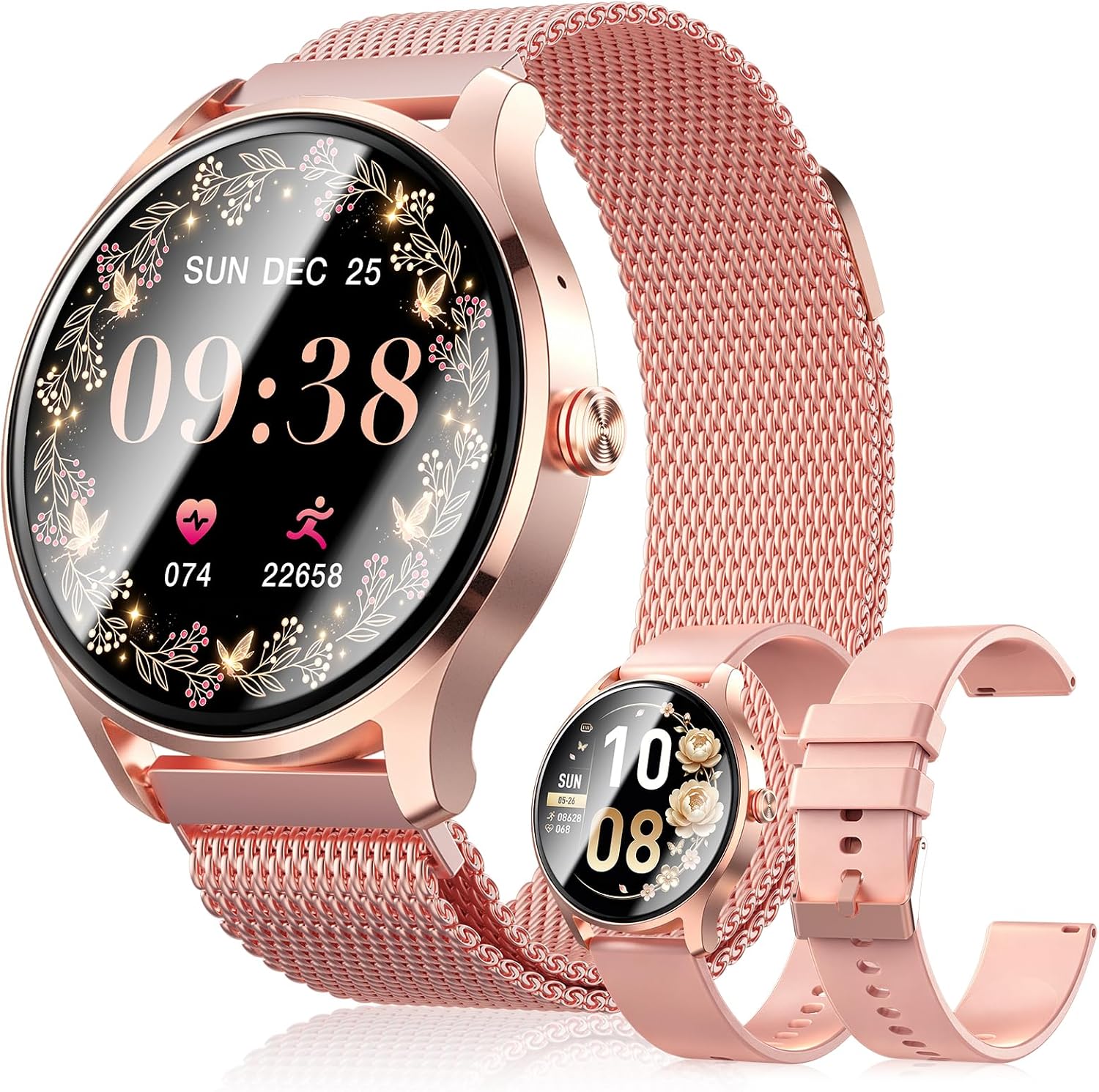
Smart Watch for Women, Fitness Trackers with Calls&Answer, 1.27 inch Rose Gold
Bluetooth calling, a bright 1.27 inch display, and a long list of sports modes for the money
Wrist heart rate on budget hardware lags badly during intervals, and the sport mode list flatters the sensor
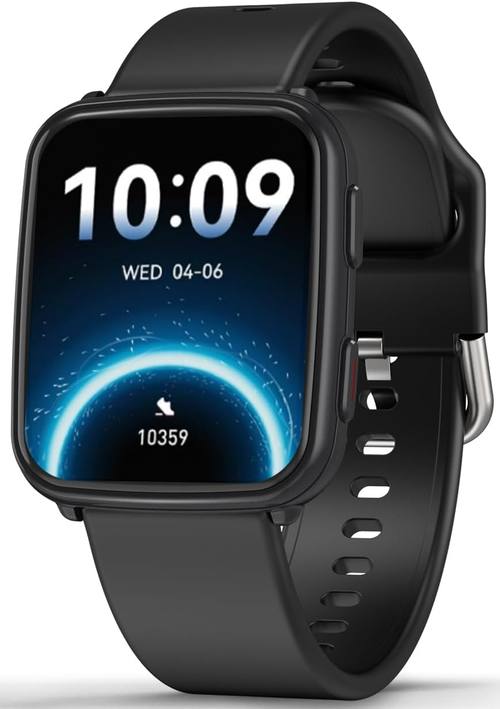
COCO Bluetooth Comfortable Health Monitoring Smartwatch for Seniors with Heart Rate, Body Temperature, Blood Oxygen, Medication Reminder and SOS
The only device here designed around medication reminders and an emergency alert
It is not a training watch, and the health metrics need context a caregiver should understand
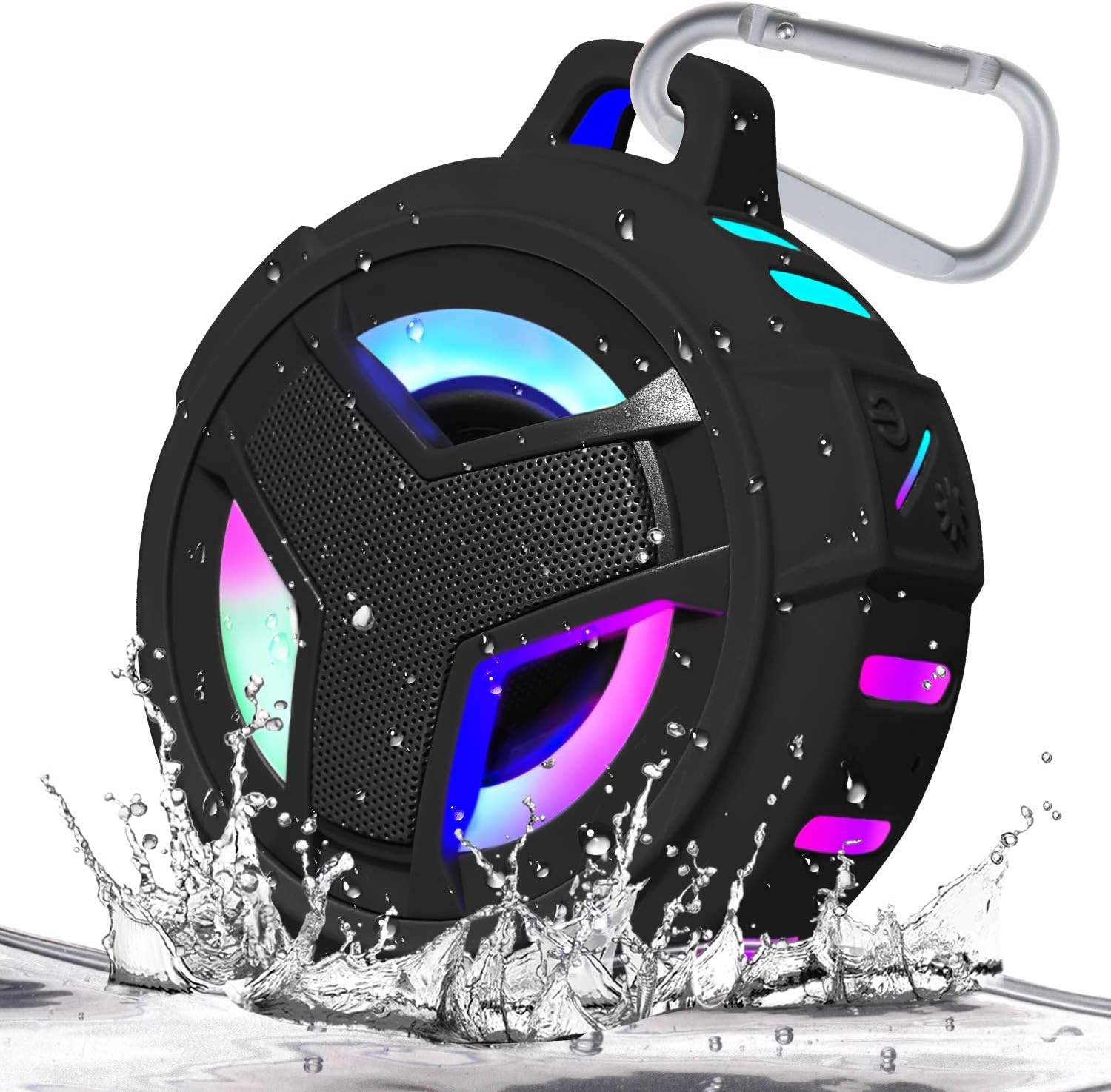
EBODA Bluetooth Shower Waterproof Speaker, Portable
Waterproof, portable, and genuinely useful for the shower, the pool deck, and kayak days
It tracks nothing. Zero sensors, zero data, and it is not a wearable
Prices and availability were captured from Amazon Creators API and may change.
How I judge a wearable before I trust it
Three questions decide everything for me. First, does the GPS trace match a certified course? A watch that cuts corners on trails is telling you a story you will eventually race on. Second, does the wrist heart rate hold up against a chest strap through intervals, because that is where optical sensors fall apart. Third, does the battery survive a real week with GPS and notifications on, rather than the light use number printed on the box.
None of these four has been through my full bench yet, so treat this as a specification and feature comparison, not a test report. That is the honest framing. What I can do is tell you which parts of each listing matter to someone who actually trains, and which parts are there to sell the box.
The Fitbit Versa 4: the mature option
Fitbit's Versa line has been the default recommendation for people who want a fitness watch without an athlete price tag, and the Versa 4 in Pink Sand and Copper Rose is the version that finally looks like jewelry instead of a fitness band. The colorway is not a detail if you plan to wear it to work.
What matters is underneath. The Versa 4 has built-in GPS, which means you can leave your phone at home and still get a route and a distance. It tracks heart rate continuously, monitors sleep, and works with both iPhone and Android, which matters if you switch phones more often than you switch watches. The Fitbit app remains the strongest part of the package: the sleep breakdown and the resting heart rate trend are the two screens I open most, and neither is a gimmick.
Where I push back is the battery. Fitbit rates it in days, and those days assume a certain amount of use that is not your use. Turn on GPS for an hour a day, leave notifications on, and you are charging weekly at best. That is still fine, and it is far better than the daily charge an Apple Watch demands, but it is not the two week number people imagine when they see the word fitness watch.
If you want a watch that gives you a route, a heart rate trend, and a sleep score you can actually read, Visit on Amazon → and look at the current listing.
The rose gold budget watch: notifications and steps, not training data
The Smart Watch for Women at the budget end of this group does a lot on paper. A 1.27 inch display, Bluetooth calling with answer and dial, heart rate, sleep, and blood oxygen monitoring, more than 100 sport modes, and compatibility with iPhone, Samsung, and Android phones. In rose gold, it looks like a watch you would wear on a date, which is more than most fitness trackers can claim.
Here is my honest read. At this price, the hardware is doing its best and the software is doing the heavy lifting, and the gap between them shows up in exactly the place runners care about. Optical heart rate sensors on budget watches are prone to lag, and they get confused by the arm swing and the sweat that come with running. That is not a knock on this specific device, it is a category fact I have seen across a dozen cheap bands. The 100+ sport modes are a list, not 100 calibrated algorithms.
For walking, step counting, sleep estimates, and reading texts from your wrist, it is a genuinely good deal, and the calling feature is nice if your phone is nearby. For interval sessions and heart rate zones, do not build a training plan on it. If your goal is a wearable that looks like jewelry and handles daily life, Visit on Amazon → and see what the current deal looks like.
The COCO watch: a different product for a different buyer
The COCO smartwatch is the odd one in a training conversation, and I want to be clear that this is not a knock. It is built for seniors and for the families who worry about them. Heart rate, body temperature, blood oxygen, activity tracking, medication reminders, and an SOS emergency function are the features, and those features are aimed at a completely different problem than the one I solve on a Tuesday morning track session.
The medication reminder is the feature I would actually pay for, because it is one of the few smartwatch functions that changes an outcome rather than reporting a number. The SOS emergency function matters too, but I would want to understand exactly how it works before I relied on it, specifically whether it calls a preset contact, alerts through an app, or requires a paired phone to be in range. Check that before you buy it for a parent, because the details vary and the difference is significant.
The body temperature and blood oxygen readings are the kind of data that is interesting over weeks and misleading on any single day. If you are buying this for yourself and you run marathons, it is the wrong tool. If you are buying it for a parent who needs a reminder and a way to reach help, Visit on Amazon → and read the listing carefully with them.
The EBODA speaker: the outlier that earns its place
Yes, a waterproof Bluetooth speaker is in a smartwatch comparison. No, I am not padding the list. This is the device that lives in the shower, on the pool deck, and on the kayak, and if you train outdoors, you already understand why it is here. It is portable, it is waterproof, and it is the kind of thing you throw in a bag and forget about until you need it.
It has no sensors, no GPS, and no heart rate. It will not tell you anything about your training. What it will do is make the hour you spend on the deck or in the garage gym less silent, and at this price that is a fair trade. If you want the one thing in this group that never needs a firmware update to keep working, Visit on Amazon → and check it out.
Where each one gives something up
The Versa 4 gives up battery longevity and some sensor depth compared to a dedicated running watch. It is not a Garmin, and I will not pretend otherwise. What it gives you instead is a watch that looks fine at dinner and still records your route.
The rose gold budget watch gives up accuracy during hard efforts. It trades sensor precision for screen size, calling, and price, and for a lot of people that is the right trade.
The COCO gives up training features entirely, because it was never built for them. It trades sport modes for medication reminders and an emergency function, and that is the correct priority for its buyer.
The speaker gives up everything a wearable does, because it is not one. It is the accessory that makes the rest of the gear more pleasant to use.
Which one should you buy
If you train and you want data you can trust, buy the Fitbit Versa 4. It is the only device here that answers the three questions I open with, and the built-in GPS is the feature that separates it from everything else on this list.
If you want a watch that looks good, handles calls and notifications, and costs a fraction of the price, the rose gold budget watch is a reasonable purchase, as long as you are honest with yourself that it is a lifestyle watch first.
If you are shopping for a parent or a grandparent, the COCO is the only device here designed for that job, and the medication reminder alone justifies a look.
And if you just want music in the shower and on the water, the EBODA speaker is a small, waterproof, genuinely useful thing that will outlast three phones.
What I am testing next
I have two running watches on the bench right now, and both will go through the same routine: a certified course GPS test, a chest strap comparison on interval sessions, and a real-use battery audit with GPS and notifications on. When those results land, I will know whether the Versa 4's GPS holds its line on a wooded trail, which is the test that separates a watch from a toy.
Until then, the recommendation stands. Buy the watch that matches the job you are asking it to do, and do not pay for sport modes you will never open.