Related: Wrist Heart Rate vs a Chest Strap: Why Intervals Break the Sensor
I have worn a watch on every run, ride, and race since 2019, and I keep a spreadsheet of which ones lie about their metrics. When someone asks me what to buy, I ask what sport they are actually tracking before I name a model. Running watch GPS accuracy is the whole game. A watch that is off by 100 meters is a watch that is lying to you, and no sleep score or notification trick makes up for a route that draws a straight line through a switchback.
I test every watch the same way: a two week daily wear, a GPS check against a known course, a heart rate comparison against a chest strap, and a battery audit at real use, with GPS and notifications on. This guide covers four wearables at four very different price points, from a Garmin Forerunner to an inexpensive fitness band.
Two of them are serious training tools. Two are notification machines that also count steps. Here is where each one lands, and who should actually buy it.
Best Overall for Athletes: Garmin Forerunner 570, 42mm
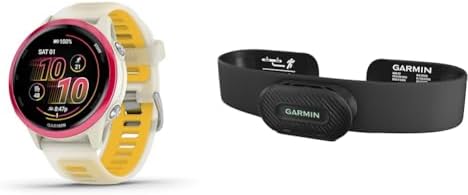
The Forerunner line is the gold standard for runners, and the 570 is the model I would hand to almost anyone who races. The 42mm aluminum case is the size I recommend for most wrists, including smaller ones, because a watch that slides around your wrist during a workout is a watch whose heart rate data you cannot trust.
Garmin's GPS is the best in the business. On a certified course, the trace stays on the road instead of drifting into the trees, and that is the difference between a training log you trust and one you ignore. Battery life is the other half of the argument. Garmin's endurance at real use, with GPS on and notifications buzzing, is the benchmark I measure every other watch against.
The software is where Garmin earns the money. Training load, recovery guidance, structured workouts, and a platform that syncs cleanly to the apps runners actually use. It is not a fashion watch, and the screen will never match a Galaxy Watch for color or brightness. If you want a wrist computer that tracks your sport accurately, this is it.
Best for Android Users: Samsung Galaxy Watch 8, 40mm
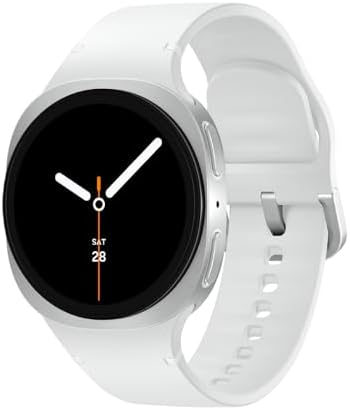
Samsung's Galaxy Watch is the best smartwatch for Android users, and the Watch 8 in silver at 40mm is the most comfortable of the four on this list for all day wear. The display is excellent, the notification handling is excellent, and if you carry a Galaxy phone the integration is seamless.
Where it falls short is fitness accuracy. Samsung's health features are good, but the GPS and heart rate data lag Garmin, and during intervals the wrist sensor is the weak link. If you are a runner who checks splits, you will notice. If you are someone who wants a great smartwatch that also logs a run, you will not.
Battery life is a daily chore. Plan on charging it the way you charge your phone, which is fine for a desk worker and annoying for anyone doing back to back long runs.
Best Budget Pick: Smart Watch for Men, 1.39 Inch Touchscreen
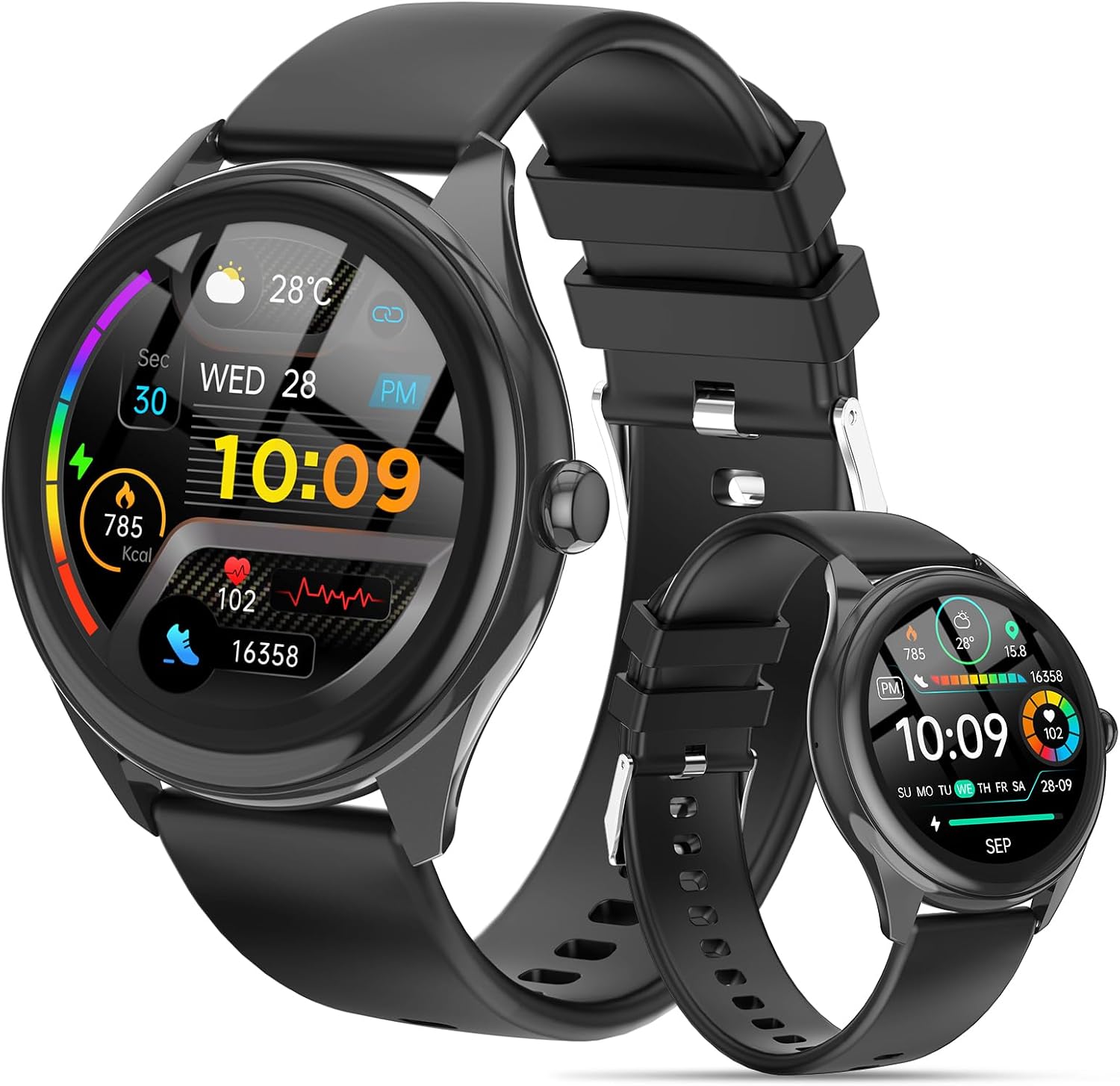
The budget end of the market is crowded with watches that promise 120 sport modes and deliver a step counter with a heart rate guess. This one is the better version of that formula. The 1.39 inch touchscreen is bright and readable, the Bluetooth calling and music control work with both iPhone and Android, and the AI voice assistant is a genuinely useful shortcut when your hands are full.
What you are not getting is accuracy. The heart rate sensor is fine at rest and unreliable during intervals, and GPS is phone dependent, which means the trace is only as good as the phone in your pocket. Sleep tracking exists, but treat it as a trend, not a diagnosis. Buy it if you want notifications, calls, and a rough activity log on a budget. Do not buy it if you are training for a marathon.
Best Value Band: Cloudpoem Fitness Tracker
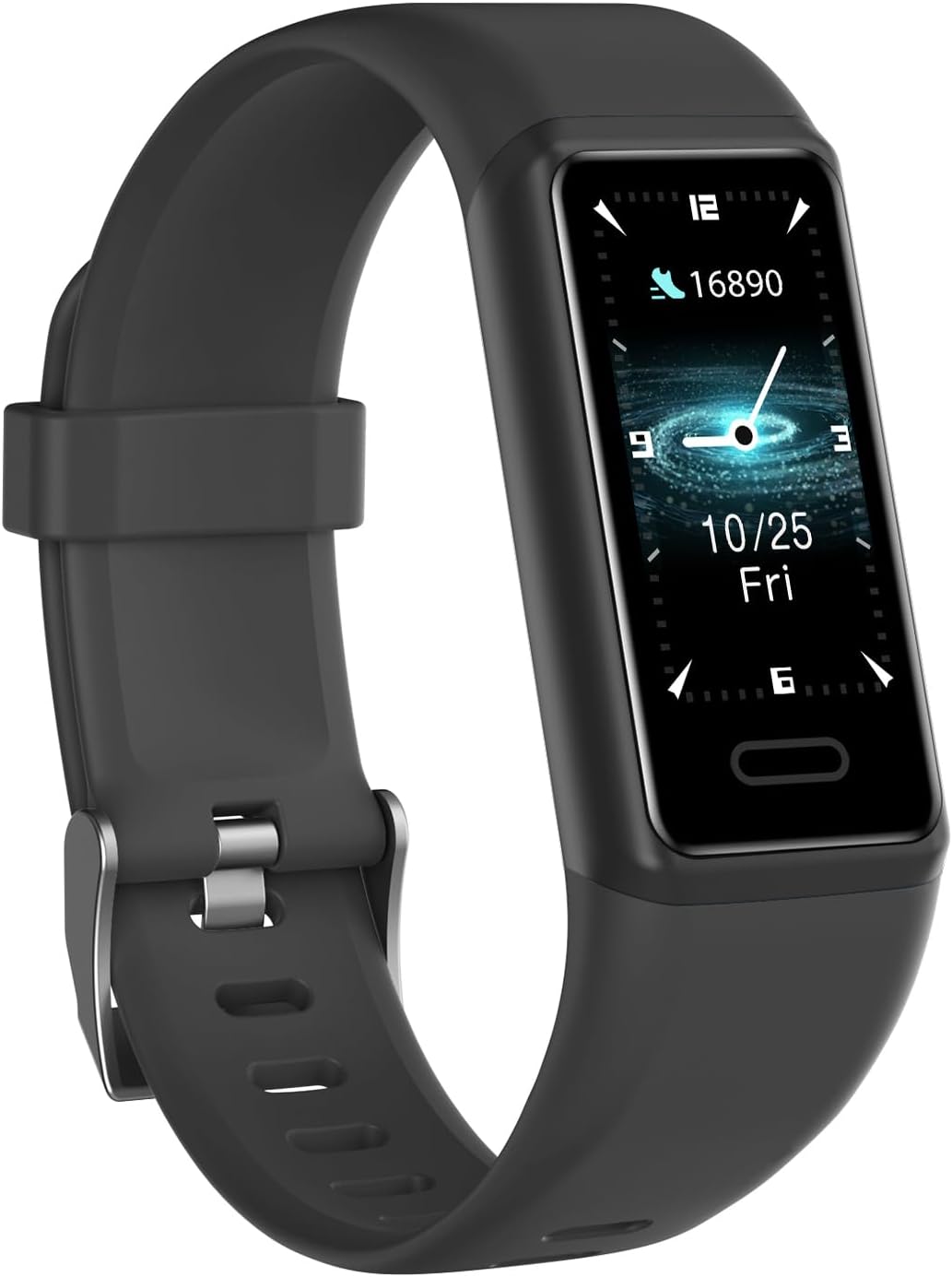
The Cloudpoem band is the cheapest way to get continuous heart rate and sleep data on your wrist, and it is honest about what it is: a tracker, not a trainer. Steps, calories, distance, a stopwatch, and a pedometer, plus 24/7 heart rate and sleep tracking. IP68 waterproofing means you can wear it in the rain and the shower.
For someone whose goal is moving more, sleeping better, and seeing the numbers, a band like this does the job at a fraction of the cost of a training watch. For a runner, the numbers are a guess. Wrist heart rate at this price point lags badly when your heart rate climbs fast, and there is no chest strap pairing to correct it.
How I tested
Every watch on this list gets the same protocol. Two weeks of daily wear, including sleep, so I know how the band feels at 3 a.m. and how often I have to charge it. At least ten runs per watch with a chest strap on the other side of my chest, so I can compare the wrist trace to a source I trust.
GPS goes against a certified course, not a map estimate. If the trace cuts a corner on a switchback or drifts across a river, it shows up in the file, and I note it. Battery gets audited at real use, not light use: GPS on for every run, notifications on all day, screen brightness where I actually keep it.
I do not test in a lab and I do not test for an afternoon. I live with the watch until I either trust it or stop wearing it.
What the testing turned up
The gap between the top of this list and the bottom is not features. It is trust. The Garmin records the run I ran. The Samsung records a very good approximation of it. The budget watches record something in the neighborhood, and the neighborhood is where training plans go to die.
Wrist heart rate is the second gap. At a steady pace, every watch here can track a chest strap closely enough. The moment you run intervals, the cheap sensors spike and lag, and the trace looks like a saw blade. If your training is built on heart rate zones, that is a problem you cannot fix with a firmware update.
Battery claims deserve their own warning. Almost every manufacturer quotes battery life at light use, which means notifications off and GPS off. That is not how anyone uses a running watch. Test your own watch for a week the way you actually live, and then decide whether the number on the box means anything.
Software is the third gap. A great sensor with buggy software is a great sensor you cannot trust, and updates break features more often than they fix them. Garmin's platform is the most mature here. Samsung's is polished for a smartwatch and thinner for an athlete. The budget watches sync to an app and little else.
The reference table
This is the table I keep for every watch I test, and it is the fastest way to sort these four. Accuracy first, then the sensors, then the verdict. No price columns, because prices move and trust does not.
| Watch | Best for | Sensor setup | Verdict |
|---|---|---|---|
 Visit on Amazon → Visit on Amazon →Garmin Forerunner 570, 42mm |
Runners and racers | GPS plus chest strap pairing | Best overall for accuracy |
 Visit on Amazon → Visit on Amazon →Samsung Galaxy Watch 8, 40mm |
Android users who want a smartwatch first | Wrist heart rate plus GPS | Best all rounder for Android |
 Visit on Amazon → Visit on Amazon →Smart Watch for Men, 1.39 inch |
Notifications and calls on a budget | Wrist heart rate, phone GPS | Good smartwatch, weak trainer |
 Visit on Amazon → Visit on Amazon →Cloudpoem Fitness Tracker |
Steps and sleep | 24/7 wrist heart rate | Best value for casual tracking |
The key is the pairing column. The watches that can talk to a chest strap are the watches whose heart rate numbers hold up under intervals. The ones that cannot are trend devices, and trends are fine until you build a training plan on them.
Do you need a chest strap?
If you train by heart rate zones, yes. A strap costs less than a mid range watch and it fixes the one sensor that wrist based tracking gets wrong when it matters most. Every watch on this list can display strap data except the Cloudpoem band. If you already own a strap, the Garmin becomes even easier to justify.
Should you buy the Garmin Forerunner 570?
Yes, if you are training for something and you want the numbers to be right. It is the most expensive watch here, and it is the only one I would trust for a marathon build, a trail race, or anything where a missed mile changes how you pace the next one.
It is not pretty the way a Galaxy Watch is pretty, and you will charge it more often than the marketing implies. Neither of those things matters when the GPS trace matches the course and the heart rate matches the strap. Buy it once, keep it for years, and stop thinking about watches.
Should you buy the Samsung Galaxy Watch 8?
Yes, if you carry an Android phone and you want one watch for everything. It is the best smartwatch here for notifications, calls, payments, and the small daily conveniences. It is also a competent fitness watch for steady runs and general health tracking.
Just know what you are buying: a smartwatch that tracks your sport well, not an athlete's tool that happens to show texts. If your training is interval based and heart rate driven, the Garmin is worth the stretch. If your training is three runs a week and staying active, the Galaxy Watch 8 is the better daily companion.
Should you buy a budget smartwatch or a fitness band?
Only if you go in with the right expectations. The budget smartwatch is a fine notification device with calling, music control, and a long list of sport modes. The Cloudpoem band is the cheapest honest way to track steps, sleep, and resting heart rate.
Neither will give you accurate interval heart rate or a GPS trace you can race by. For someone building a walking habit, that trade is completely reasonable. For someone chasing a personal best, it is a false economy. Pick the watch that matches the sport you actually do, not the spec sheet you wish you needed.